
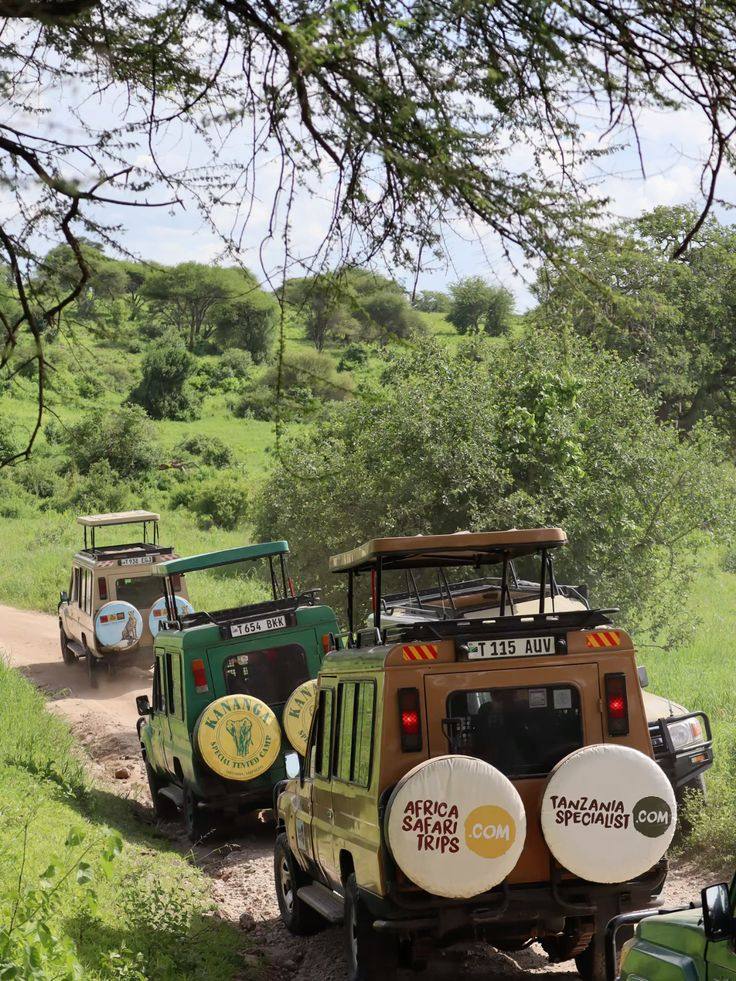
At a glance
June – October — best for safari (dry season, peak wildlife).
December – February — best for Zanzibar and warm weather.
March – May — green season: fewer crowds, lower prices, more rain.
— Best Time to Visit —
Tanzania is a year-round destination. The experience changes depending on when you go. June–October for safari. December–February for Zanzibar. March–May is the green season.
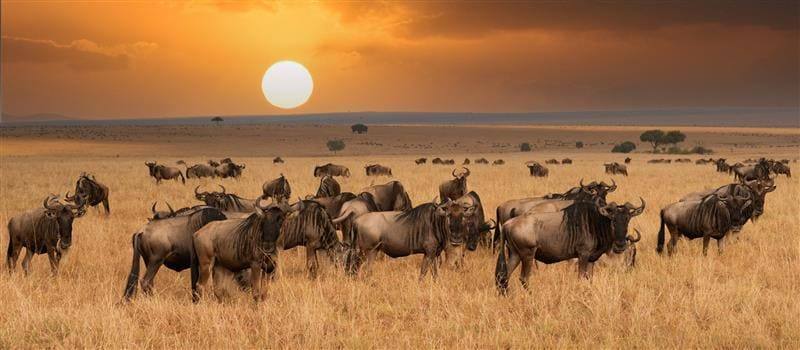
June – October — best for safari (dry season, peak wildlife).
December – February — best for Zanzibar and warm weather.
March – May — green season: fewer crowds, lower prices, more rain.
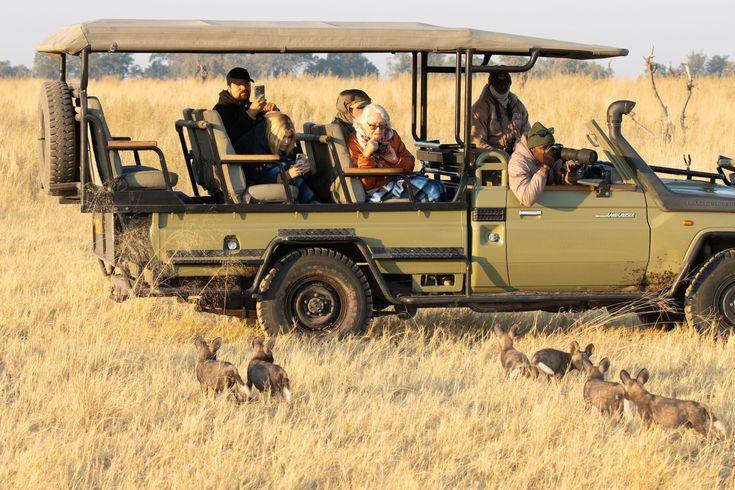
June – October (peak). Animals gather around water. Easier spotting. The great migration in northern Serengeti. Higher prices and more visitors.
January – February (calving). Newborns in the southern Serengeti, intense predator activity. A short, specific window.
March – May (green). Lush landscapes, fewer tourists, lower prices. Some roads harder to access. Best for photographers and repeat travellers.
See our full safari page.
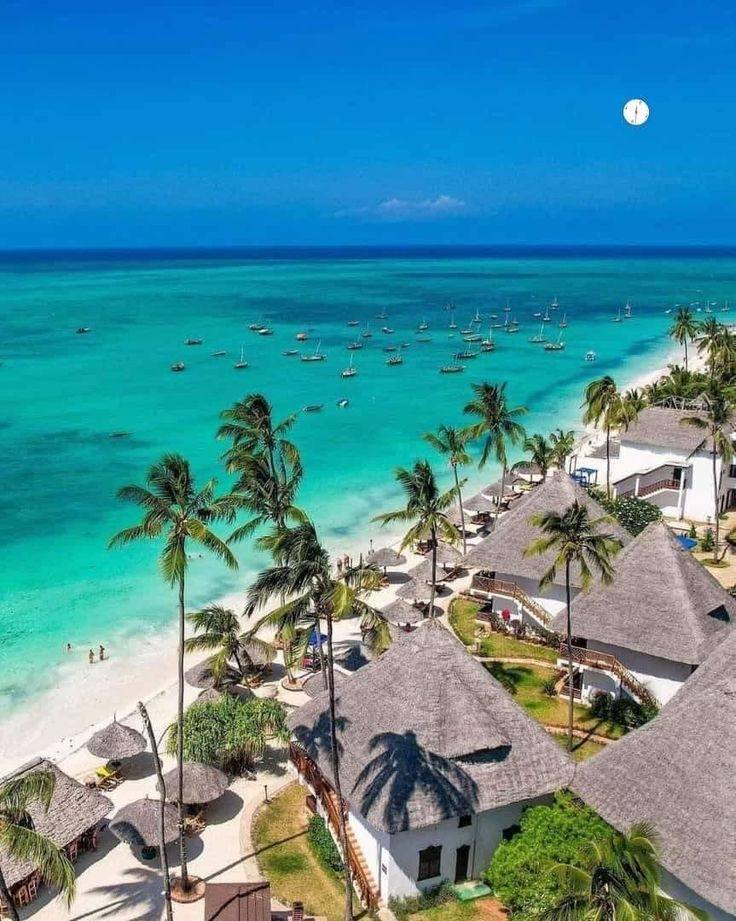
June – October. Cooler, dry, comfortable — ideal for beach and relaxation.
December – February. Warm, sunny, vibrant — perfect for ocean and lifestyle.
March – May. Heavy rains; not ideal. Tides also affect beaches, especially Paje — choose location accordingly.
Read the Zanzibar guide.

Dar es Salaam is accessible year-round. Best in the same windows: June–October and December–February. Heat and humidity are constants; traffic doesn't follow seasons. Plan activities for early morning or late evening.
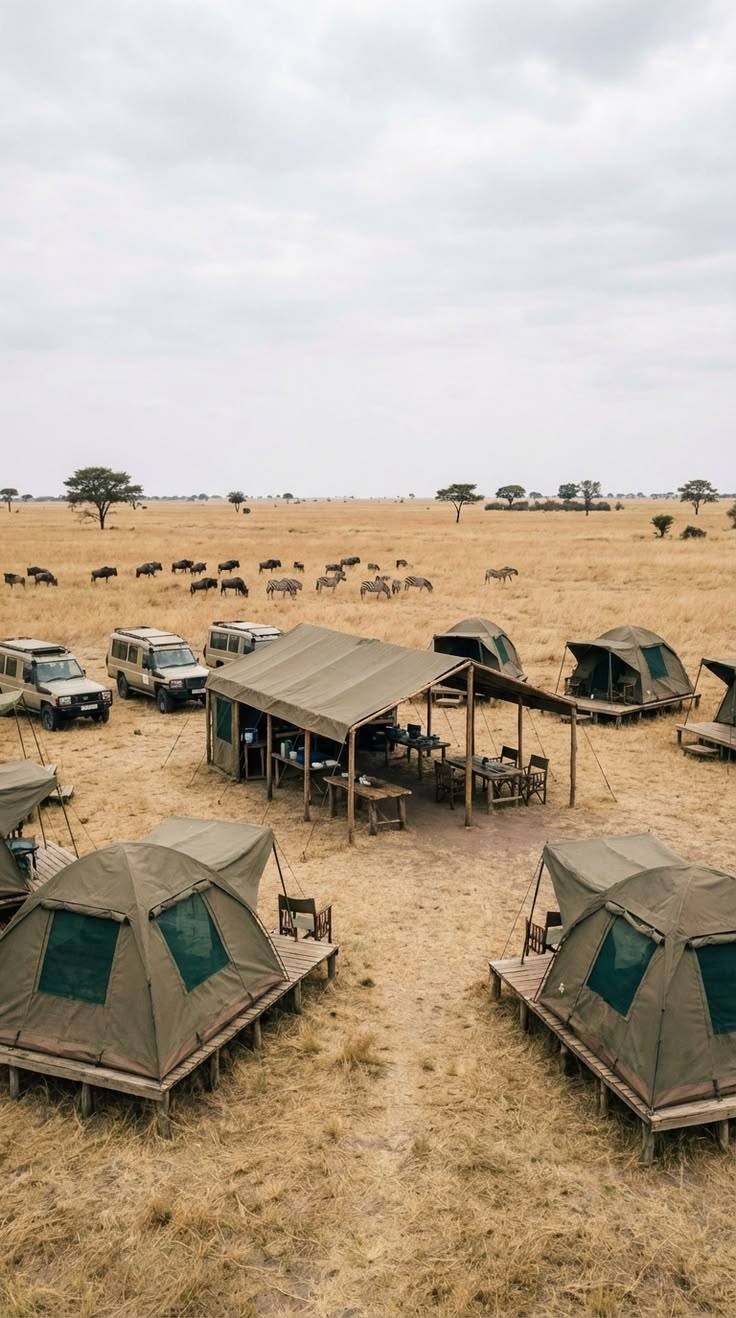
Wildlife. June – October.
Beaches & relaxation. December – February.
Fewer crowds & value. March – May.
A balanced experience. June or January.
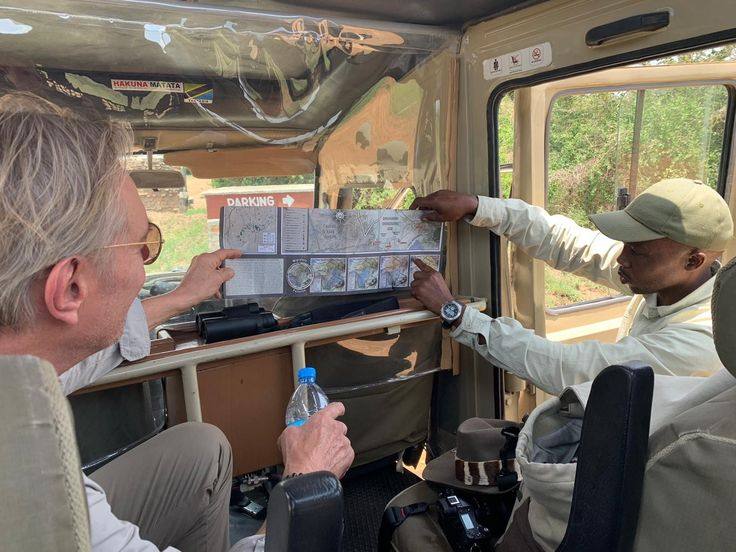
The difference isn't just the season. It's how the trip is designed. A well-structured journey in the off-season will always feel better than a poorly planned one in peak. See our sample itineraries for how it's done.